
























Smart AC vs Normal AC – What is the difference
New Delhi [India], March 24: Air conditioners have evolved from basic cooling appliances to systems that integrate digital connectivity and automation. Earlier models mainly focused on manual temperature settings through a remote control. Modern ACs have connected features that allow users to manage cooling through mobile devices. This shift has created two common categories in [...]



New Delhi [India], March 24: Air conditioners have evolved from basic cooling appliances to systems that integrate digital connectivity and automation. Earlier models mainly focused on manual temperature settings through a remote control. Modern ACs have connected features that allow users to manage cooling through mobile devices. This shift has created two common categories in residential cooling systems: smart ACs and normal ACs. Both use the same refrigeration technology to cool a room, yet the way users control and monitor the appliance is different. Understanding these differences helps buyers evaluate convenience, control, and electricity management before selecting an air conditioner.
What Is a Normal AC?
A normal air conditioner operates through manual control. The user adjusts temperature, fan speed, and operating mode using a remote control. Once the room reaches the selected temperature, the compressor cycles on and off to maintain cooling. These AC units function as standalone appliances and do not connect to the internet or external applications.
Common characteristics include:
- Remote-based operation
- No internet connectivity
- Manual temperature adjustments
- Independent appliance without software integration
Normal AC units are available in both split AC and window AC formats, and many households prefer them because the operation is simple.
What Is a Smart AC?
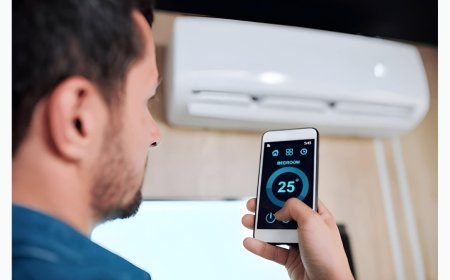
A smart AC includes built-in Wi-Fi connectivity that allows the appliance to connect with a mobile application. Through this application, users control temperature settings, change operating modes, or switch the AC on and off remotely. Many smart AC systems allow scheduled cooling cycles. This means the air conditioner can start or stop automatically according to a given schedule. Some models also display energy usage information through the application interface that helps users observe cooling patterns and runtime. Instead of relying on manual adjustments, the system follows commands issued through a smartphone or smart home platform.
Smart AC vs Normal AC: Key Differences
Let’s understand some of the key differences between the two:
Feature Smart AC Normal AC Control method Mobile app along with remote Remote control only Connectivity Wi-Fi enabled No internet connection Temperature control Automated schedules and remote adjustment Manual temperature settings Energy monitoring Displays usage data through a mobile application No built-in energy tracking Maintenance alerts Notifications through the application Servicing tracked manually Automation Cooling schedules and remote activation Manual operation required Smart home integration Compatible with voice assistants Standalone appliance
Whether you prefer manual control or app-based automation, the decision comes down to daily usage habits. Brands like Voltas offer both smart and standard AC options to match different preferences.
Control and Convenience in Daily Use
Control flexibility is one of the most visible differences between the two systems. A smart AC allows users to operate the appliance from a mobile application. Cooling can start before arriving home, and the system can shut down automatically based on the schedule. Scheduling features allow the AC to run only during specific hours. Some models also accept voice commands when connected to smart home systems.
A normal AC has a simpler structure. The user must interact with the remote control each time a temperature change or mode adjustment is required. If the AC is left running after leaving the room, the appliance continues operating until someone switches it off manually.
How Much Energy Can You Save With A Smart AC?
Electricity consumption depends on how long the air conditioner runs and the temperature settings selected by the user. Smart ACs have digital monitoring tools that help track runtime and cooling patterns. Normal AC units operate without built-in energy monitoring features. Electricity usage becomes visible mainly through monthly electricity bills.
Usage Scenario
| Smart AC (Scheduled Use) | Normal AC (Manual Use) | |
|---|---|---|
| Average power consumption | 1.5 Ton AC ≈ 1.4 kW | 1.5 Ton AC ≈ 1.4 kW |
| Daily runtime example | 6 hours (scheduled cooling) | 8 hours (longer runtime due to manual control) |
| Daily electricity use | 1.4 kW × 6 hrs = 8.4 units/day | 1.4 kW × 8 hrs = 11.2 units/day |
| Monthly electricity use (30 days) | 252 units/month | 336 units/month |
| Monthly cost at ₹8/unit | ₹2,016 | ₹2,688 |
| Estimated difference | ~₹672 higher per month due to longer runtime |
How to Choose Between a Smart AC and a Normal AC?
The decision depends mainly on lifestyle preferences and usage behavior. A smart AC is good for households that prefer remote access and automated cooling schedules. These systems also help users track runtime through digital tools. A normal AC works well for households that prefer simple operation without mobile applications or internet connectivity.
Important buying considerations include:
- Budget
- Desired level of automation
- Comfort with mobile-based controls
- Interest in monitoring electricity usage
Evaluating these factors helps determine which air conditioner fits everyday cooling requirements. Normal ACs are equally common along with smart ACs. The latter is getting more popular due to its ease and energy-saving features.
If you object to the content of this press release, please notify us at pr.error.rectification@gmail.com. We will respond and rectify the situation within 24 hours.
What's Your Reaction?