

















How Dharmesh Shah Built HomeSol Over 29 Years by Choosing Trust Over Fast Growth
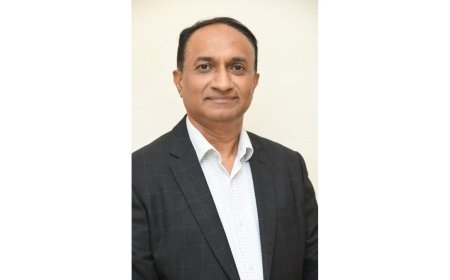
Dharmesh Shah Mumbai (Maharashtra) [India], February 17: In 1996, Dharmesh Shah started Bhavin Steel from a 100-square-foot office in Borivali East, Mumbai. The office was small, the team was one person, and the resources were limited. What the operation had instead were principles: fair pricing, honest dealing, and unconditional support to every client. Nearly three [...]

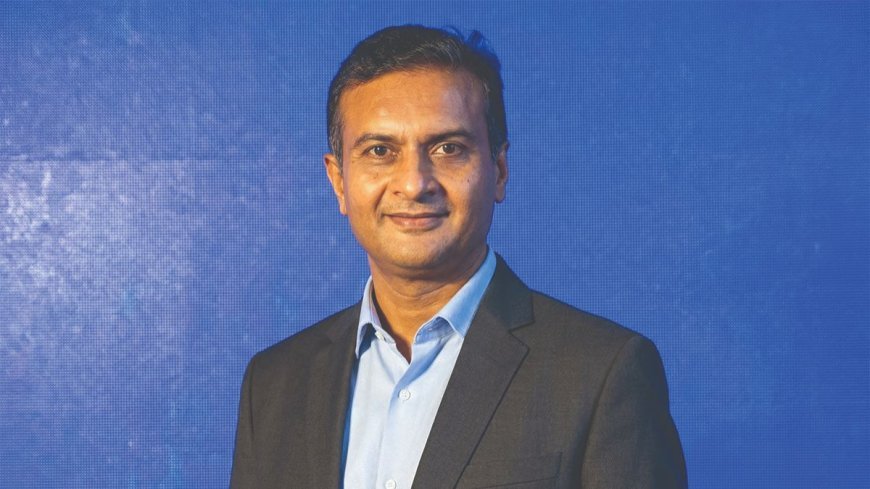
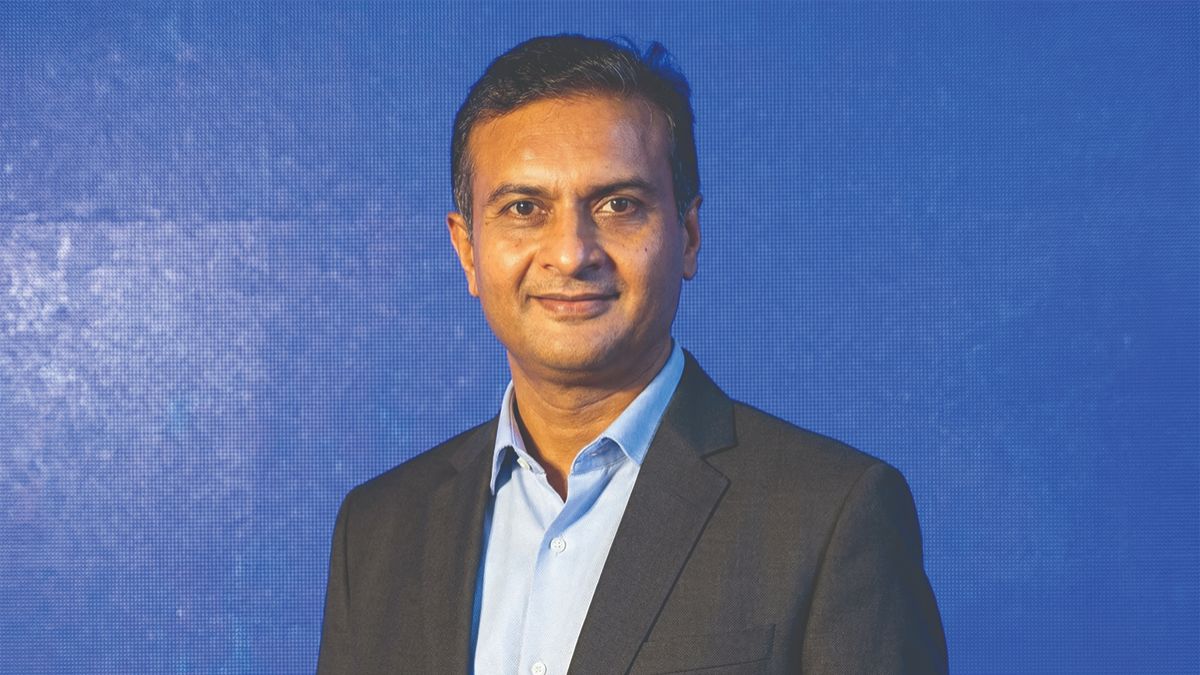
Dharmesh Shah
Mumbai (Maharashtra) [India], February 17: In 1996, Dharmesh Shah started Bhavin Steel from a 100-square-foot office in Borivali East, Mumbai. The office was small, the team was one person, and the resources were limited. What the operation had instead were principles: fair pricing, honest dealing, and unconditional support to every client.
Nearly three decades later, Shah has built HomeSol Group into one of Mumbai’s most trusted real estate ecosystems, managing over ₹400 crore in inventory, working with major developers, and maintaining a channel partner network exceeding 2,000.
But the path from that small office to this integrated platform wasn’t defined by aggressive expansion or opportunistic pivots. It was defined by a consistent choice, repeated across 29 years: prioritize reputation over revenue, every single time.
The Foundation Years
Shah’s early years at Bhavin Steel were defined by hard work and discipline. Personally managing sourcing, deliveries, accounts, and relationships, growth was slow but steady, driven entirely by repeat business and word-of-mouth.
By the late 1990s, Bhavin Steel had built a reputation for reliability. Not through marketing or aggressive sales, but through consistent delivery when it mattered most.
The real growth phase began around 2000, when reputed developers such as Agarwal Builders, Relcom Infra, and Rohan Infra placed their trust in the company. This marked a shift from small, transactional orders to long-term developer partnerships. Volumes increased, operations expanded, and the business entered the multi-crore annual turnover range.
More importantly, Bhavin Steel became known as a partner developers could depend on, especially during tight timelines and challenging market cycles.
The Philosophy That Shaped Everything
As Mumbai’s real estate market expanded rapidly from 2006 to 2012, Shah made a defining choice: pursue a conservative, values-first approach focused on cash-flow discipline, sustainable margins, and zero compromise on integrity.
The guiding influence was clear. Deeply inspired by Ratan Tata’s philosophy of ethical leadership and nation-building, Shah operated on a core belief: reputation should always grow faster than revenue.
This wasn’t theoretical positioning. It was an operational framework that governed every decision. When competitors scaled faster by taking shortcuts, Shah chose sustainability over speed. When market conditions favored aggressive expansion, he chose financial discipline.
By this phase, Bhavin Steel was supporting multiple large residential and commercial projects across Mumbai, operating firmly in the high multi-crore business bracket. But the real asset wasn’t the revenue. It was the credibility that came from consistent performance across market cycles.
The Insight That Changed Direction
By 2013, with nearly two decades of experience, Shah had gained a rare, 360-degree view of the real estate ecosystem. The perspective revealed structural problems that were persistent, not occasional.
Developers were managing fragmented services: materials, sales, marketing, finance, each operating in silos. Homebuyers were navigating one of life’s biggest decisions with limited transparency and rising distrust.
This phase from 2013 to 2018 was less about expansion and more about clarity. Shah realized the industry didn’t need another service provider. It needed a single, dependable ecosystem.
That realization drove the transformation from Bhavin Steel to HomeSol Inframart. The company began offering mandate services, strategic sales support, marketing, design, and 3D visualization, slowly shaping a full-stack real estate platform backed by decades of trust.
Building the Ecosystem
Between 2019 and 2024, HomeSol Inframart evolved to signal a broader role beyond material supply. The company was building what Shah had envisioned: an integrated platform that could serve the entire real estate value chain.
During this period, the HomeSol ecosystem managed 13-plus projects, sold 350-plus units globally, handled ₹400 crore-plus inventory, built a 2,000-plus channel partner network, and grew into a 45-plus member team.
These weren’t just growth metrics. They represented long-term partnerships with developers who returned project after project, buyers who referred family members, and channel partners who stayed because the system worked.
The 2025 Strategic Expansion
The year 2025 marked a defining milestone in Shah’s vision for HomeSol.
In April 2025, HomeSol Digital was launched to strengthen data-led marketing, brand storytelling, and performance-driven real estate communication. In May 2025, HomeSol Finance followed, addressing one of the industry’s biggest gaps: structured property finance and project funding support for both developers and buyers.
Finally, in December 2025, HomeSol Inframart was officially renamed and unified under the HomeSol Group, completing a transformation that had been nearly three decades in the making.
This was not a rebrand. It was a natural evolution of Shah’s original vision: create an ecosystem where developers and buyers could both be served with integrity, transparency, and accountability.
The Core Belief That Never Changed
Despite scale, vertical expansion, and technology adoption, Shah’s core belief remains unchanged.
Homebuyers deserve the fairest price and the right advice, even if it means no transaction. Developers deserve one trusted partner, not ten disconnected vendors.
This dual commitment could create conflict in traditional real estate models. But HomeSol’s approach is built on a different premise: trust doesn’t have to be one-sided. When developers are supported ethically and buyers are guided honestly, the entire ecosystem becomes stronger.
For developers, HomeSol functions as a long-term partner working from the ground up: supplying quality materials, supporting projects through mandate services, helping tell stories through thoughtful marketing and realistic 3D renders, and strengthening foundations through property and project finance solutions.
For homebuyers, HomeSol maintains its responsibility to guide with honest advice, transparent comparisons, and real insights into value, pricing, and long-term potential. Even when buyers choose not to transact, the principle holds: trust is built by doing what’s right, not just what’s profitable.
What Long-Term Thinking Built
Shah’s approach to building HomeSol defies conventional startup wisdom. There’s no venture capital, no unicorn valuation, no growth-at-all-costs playbook.
What exists instead is the compound effect of consistent decisions made over 29 years. Partnerships spanning decades. Developers who return project after project. Buyers who refer with confidence. Channel partners who stay because the model works.
The conservative approach, focused on cash-flow discipline and sustainable margins, has allowed HomeSol to operate through multiple real estate cycles while competitors struggled. It’s staying power is built on a simple recognition: businesses that survive multiple cycles make different choices than businesses optimizing for one cycle.
Measuring Success Differently
For Shah, success is not measured only by numbers or valuation. It is measured by trust that compounds, partnerships that last decades, and a business strong enough to outlive market cycles.
The HomeSol model operates on principles most real estate firms acknowledge but struggle to implement. Reputation outlives any single deal. Every transaction either builds or erodes credibility. Growth measured in relationships maintained matters more than growth measured only in units sold.
In a sector often criticized for opacity and misaligned incentives, Shah has built something increasingly rare: a business where the bridge between developers and buyers is fiduciary, not just functional.
The Long Game Pays Off
As Mumbai’s real estate market continues evolving with increased regulation, greater buyer awareness, and tighter margins, Shah’s 29-year track record offers evidence that an alternative approach not only exists but thrives.
The traditional model treats developers and buyers as opposing forces. Shah built HomeSol to treat them as parts of the same ecosystem, both deserving of honest service. The traditional approach optimizes for quarterly numbers. HomeSol optimizes for decade-long relationships.
Today, HomeSol stands as a bridge between developers and buyers, legacy and innovation, ambition and accountability. It is a company built not on hype, but on 29 years of credibility, relationships, and long-term thinking.
For developers managing multiple disconnected vendors and buyers navigating sales pitches that don’t align with their interests, HomeSol’s integrated ecosystem backed by three decades of institutional credibility presents a fundamentally different option.
The proof isn’t in pitch decks. It’s in partnerships that endure, referrals that happen organically, and credibility that can’t be manufactured, only earned over time.
Twenty-nine years after starting from a 100-square-foot office in Borivali East, Dharmesh Shah has proven something the real estate industry often doubts: long-term thinking doesn’t just create better businesses. It creates businesses that last.
If you object to the content of this press release, please notify us at pr.error.rectification@gmail.com. We will respond and rectify the situation within 24 hours.
What's Your Reaction?